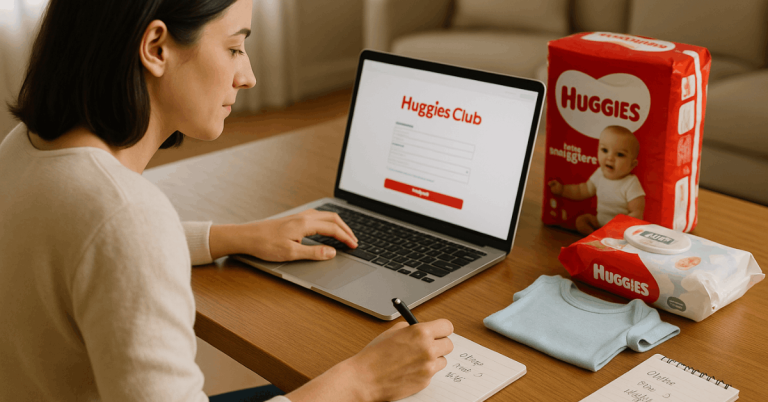
Reliable planning during pregnancy improves outcomes when information, reminders, and records stay organized on one device.
Choosing to track pregnancy with specialized apps centralizes milestones, symptoms, and appointments while maintaining a clear dialogue with clinicians.
Consistent logs make patterns visible early, support safer decisions, and reduce avoidable stress day to day. Smart configuration turns a phone into a practical dashboard without replacing professional medical care or advice.
Why Tracking With Specialized Apps Matters
Structured tracking concentrates essentials that otherwise scatter across notebooks, photos, and fragmented memory.
Consistent entries reveal trends in weight, blood pressure, sleep, and mood that inform timely conversations with clinicians.
Clear records also simplify prenatal visits because questions become specific, date stamped, and easier to resolve quickly. Balanced use gives reassurance while keeping attention on rest, nutrition, and realistic daily routines.
Core Capabilities That Actually Matter
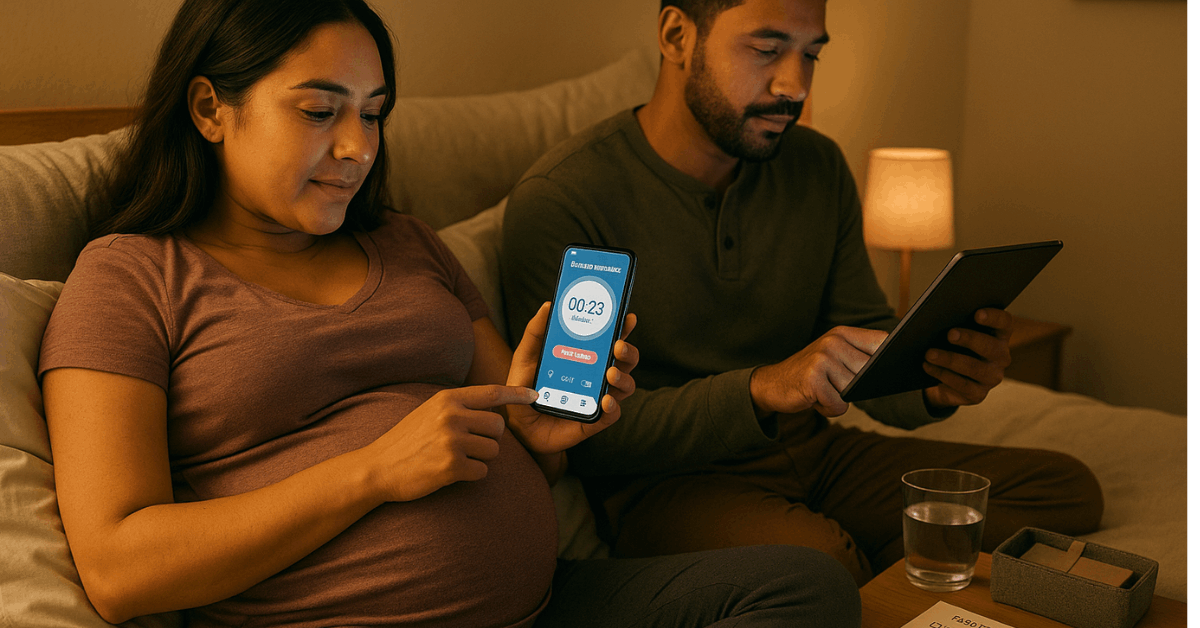
Feature lists can feel long, yet a handful of tools deliver the most utility every week. Accurate due-date calculation, trimester timelines, and a reliable contraction timer and kick counter sit near the top.
Strong calendar reminders for supplements, appointments, and screening windows prevent last-minute scrambling or missed tests.
Concise learning modules with clinically reviewed pregnancy tips keep guidance clear without hiding critical caveats or red flags.
Privacy, Security, And Medical Boundaries
Personal health information deserves rigorous safeguards aligned with local law and clinical expectations.
Transparent settings for pregnancy app data privacy should explain what is collected, why it is stored, and how to revoke consent. Encrypted sync, local app lock, and export controls keep data under predictable user control.
Professional advice must remain paramount, so symptom logs inform care while never replacing assessment by licensed clinicians.
How To Set Up A Pregnancy Tracker App
A considered setup sequence prevents frustration later and keeps information clean, consistent, and clinically useful.
Start with identity basics, cycle history, and care location so calendars match regional practices accurately.
Align permissions deliberately to enable sensors and integrations that genuinely help while avoiding unnecessary exposure. Finish with baselines for weight, blood pressure, and activity to anchor future trend comparisons meaningfully.
Install And Profile Setup
Clean installs reduce conflicts, then profile fields align content with age, language, region, and access needs. Entering conception method, cycle length, and last menstrual period supports precise dating and better notification timing.
Due Date And Calendar
Select the dating method offered by the care team rather than switching between formulas frequently. Syncing the pregnancy calendar with a general calendar prevents double-booking and supports punctual attendance reliably.
Permissions And Integrations
Grant only the sensors and sources required for intended features, avoiding blanket approvals without benefit. Enabling maternity health wearable integration adds passive sleep, heart rate, and activity data that improves trend clarity.
Baseline Measurements And Logs
Record initial vitals, current supplements, and key history elements to contextualize future symptom changes. Tagging entries with photos or notes helps clinicians interpret events precisely during prenatal reviews.
Feature Priorities By Trimester
A concise table helps prioritize attention as needs change across trimesters and major milestones. Use it to check configuration, confirm reminders, and stage conversations with clinicians proactively.
Keep flexibility because individual care plans vary with health history, local protocols, and specialist advice. Treat this as a planning aid rather than a substitute for medical direction or triage.
| Trimester | Highest-Value Features | Why It Matters | Set It Up Like This |
| First | Dating tools, symptom logs, medication reminders | Accurate timelines and safe routines reduce early-pregnancy anxiety | Lock due date, enable reminders, add allergy notes |
| Second | fetal development week by week, weight tracking | Growth context and steady gains guide nutrition and activity choices | Schedule growth updates, calibrate smart-scale logs |
| Third | contraction timer and kick counter, birth plan | Timely escalation and preparedness improve labor readiness | Pin timer widget, store plan, pack hospital checklist |
Advanced Tools That Lift Accuracy
Modern apps use sensors, automation, and secure sharing to raise reliability without adding complexity. The bullets below summarize high-impact upgrades that typically justify enabling extra permissions carefully.
- HIPAA-compliant pregnancy app options add encryption, access logs, and alignment with clinical workflows for safer sharing. These controls protect sensitive events while keeping clinicians comfortable reviewing home-captured data.
- Smart dashboards translate weekly changes into action items that simplify what to read and record next. Consistent prompts reduce skipped entries and support realistic, sustainable habit formation across busy weeks.
- Partner mode for dads and carers assigns read-only or limited-write access for appointments, tasks, and packing lists. Shared accountability improves follow-through without exposing private health notes unnecessarily or permanently.
- Telehealth integration for OB visits allows message triage, document upload, and video consults when questions cannot wait comfortably. Quick escalation avoids risky delays while preserving in-person appointments for examinations only.
- Structured learning paths deliver clinically reviewed pregnancy tips that map to gestational age and risk context precisely. Clear labels distinguish lifestyle content from medical guidance, requiring professional confirmation first.
Monetization Models And Privacy Implications
Understanding cost structures helps match budget, features, and privacy expectations realistically. The table below contrasts common models so expectations remain clear before entering payment details anywhere.
| Model | Typical Cost Pattern | What You Get Consistently | Privacy Considerations | Best Fit Scenario |
| Free (Ad-Supported) | No fee, periodic ads | Baseline tracking and articles | Ads may depend on engagement and coarse analytics | Light tracking with minimal requirements |
| Freemium | Core free, paid premium tiers | Advanced analytics and extra content | Payment removes ads and can reduce data sharing | Budget control with upgrade flexibility |
| Subscription | Monthly or annual plans | Full feature set and priority support | Billing data stays; verify retention and export | Consistent use throughout pregnancy |
| One-Time Purchase | Single upfront price | Fixed feature set without ongoing fees | Limited updates; check maintenance commitment | Offline-leaning users preferring stability |
Building Daily Habits That Actually Stick
Habit formation thrives on light friction, not complex goals that collapse under real-world pressure. Pin the log widget, batch entries after breakfast, and link reminders to existing routines consistently.
Keep two or three metrics in focus rather than chasing every available graph simultaneously. Small, repeatable wins compound quickly and create dependable records that inform each prenatal visit.
Troubleshooting Common Issues Fast
Missing notifications often trace to disabled system permissions that silence alarms without visible warnings. Re-enable alerts, whitelist the app, and test a dummy reminder within minutes.
- Inaccurate weight or sleep logs sometimes reflect uncalibrated devices or inconsistent wearing habits during nights. Recalibrate weekly and keep device placement constant to stabilize trends.
- Confusing week counts arise when switching between last menstrual period and ultrasound-adjusted dates midstream. Confirm the official method with the care team and lock it in settings.
- Export problems usually connect to file-type mismatches between clinic systems and consumer formats. Choose PDF for summaries and CSV for raw logs when sending records.
- App fatigue grows when dashboards feel crowded or irrelevant for current trimester goals. Hide lower-value cards temporarily and surface trimester-specific tools for focus.
Safety, Boundaries, And Professional Guidance
Responsible use respects the difference between educational tools and individualized medical care during pregnancy.
Contact emergency services or the clinical team immediately when severe symptoms appear instead of consulting an app.
Follow national guidelines and obstetric society advice for vaccinations, screening intervals, and medication decisions. Treat app insights as conversation starters that enrich appointments rather than verdicts that bypass expert judgment.
Inclusive Design And Accessibility Considerations
Good design welcomes first-time users, low-bandwidth connections, and diverse abilities without bolted-on fixes.
Adjustable text size, high-contrast themes, captions, and voice controls widen access significantly and respectfully.
Clear icons, minimal taps, and plain language support calm use when fatigue or nausea hits. Localization for time, units, and languages prevents avoidable errors and improves trust across global audiences.
Data Control, Exports, And Life After Birth
Data stewardship continues when pregnancy ends and newborn routines begin occupying attention.
Export complete records before uninstalling, then rotate to infant-tracking tools with the same discipline.
Archive pregnancy logs securely because later clinical questions sometimes benefit from precise historical context. Revoking third-party access and clearing cloud backups protects privacy once tracking goals naturally change.
Quick Selection Checklist For A First App Install
Short lists help move decisions forward when options feel overwhelming in crowded app stores. Use the following checks to narrow choices rapidly without skipping essential safeguards or value.
- Confirm the transparency of pregnancy app data privacy statements and the availability of a working contact for data requests.
- Look for content on fetal development week by week, aligned with reputable medical organizations.
- Prioritize an app offering a contraction timer and a kick counter with exportable results for reviews.
- Verify HIPAA-compliant pregnancy app claims if sharing data with clinics in supported regions.
- Prefer apps that enable maternity health wearable integration without forcing always-on tracking.
Conclusion
Clear goals, careful permissions, and disciplined logging make specialized apps reliable partners throughout pregnancy. Robust privacy controls, transparent policies, and export options protect sensitive information during and after tracking.
Advanced features, shared access, and telehealth integration for OB visits improve coordination without replacing clinical judgment.
Set the foundations well, maintain simple habits, and track pregnancy with specialized apps that deliver timely insight when it matters most.