Spotify Free on phones now allows direct song search-and-play with a daily on-demand allowance before standard limits return.
Ads remain, skip counts stay constrained, and queuing controls are narrower than Premium’s fully flexible mobile experience.
Share links from friends or artists now open directly and begin playback on mobile without extra navigational detours. Rollouts happen regionally, so features may appear on your device within days, not simultaneously across every market.
What Spotify’s Free Tier Now Lets Phones Do
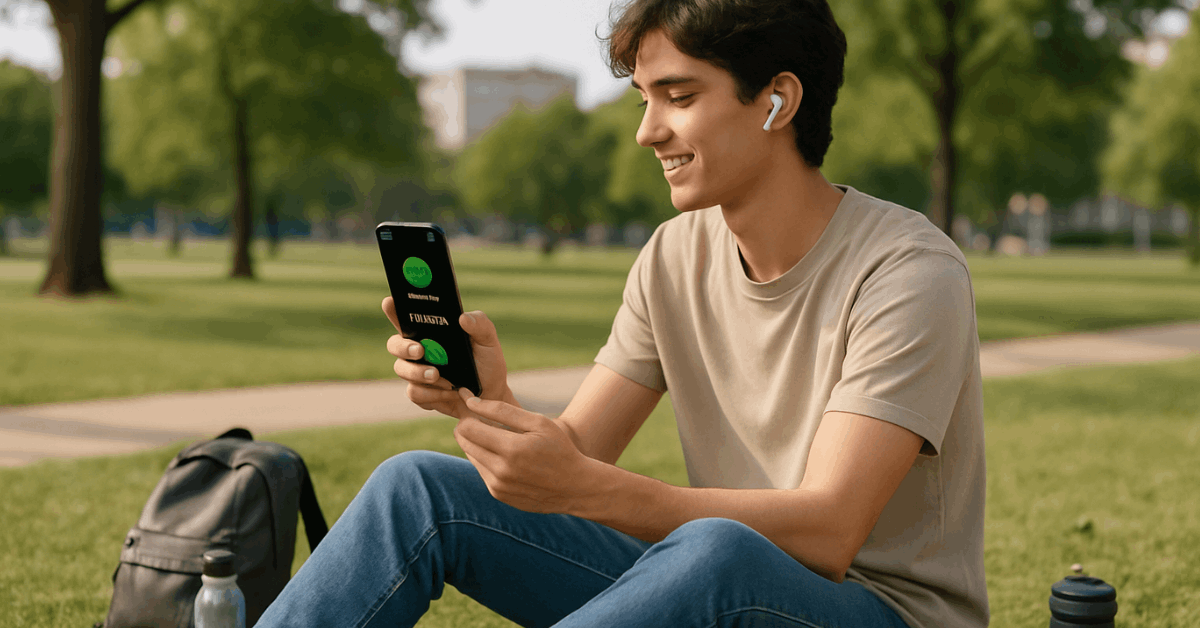
Mobile listeners on the ad-supported tier can search for individual songs, tap to play, and enjoy limited on-demand time daily before standard restrictions resume.
Ads still appear, queuing stays limited, and skip allowances remain constrained compared with Premium, but everyday listening on Spotify Free mobile feels markedly more flexible.
These enhancements sit alongside share-to-play behavior, where links from friends or artists open directly and start playback on mobile. Regional rollouts vary, so features may arrive on your device within days rather than immediately in every market.
What You Need To Start
Install the Spotify app from Google Play or the App Store, then Create Spotify account credentials or sign in with Apple, Google, or Facebook if preferred.
Basic details activate an ad-supported profile instantly, and the home screen begins tailoring recommendations once a few artists and genres receive likes.
The Spotify web player remains helpful on laptops and shared devices, though phones provide the most convenient path for quick, on-the-go listening. Keep the app updated to ensure access to newly added free-tier controls announced in late 2025 for mobile users.
First-Time Setup: Play Free Music Without Paying
Open the app, search a favorite track or artist, and tap Play to hear a song directly, watching for the daily on-demand allowance indicator.
When on-demand time is exhausted, Shuffle play on Spotify resumes for many contexts, and the classic skip limit behavior returns on mobile sessions.
Tap the heart on tracks to refine recommendations quickly, then follow artists and save editorial playlists to stabilize your daily mix. Enable Data Saver later to cut image loads and audio bitrate when conserving bandwidth on cellular connections.
Quick Setup Checklist
Short, focused setup steps keep the free tier smooth on phones without adding unwanted complexity or bloat.
Ads will remain, yet thoughtful toggles and habits minimize friction while preserving audio reliability on variable networks.
The checklist below prioritizes storage, data, and control so everyday playback starts fast and stays predictable. Finalize these five items, then spend time discovering rather than fixing settings mid-session.
- Install the latest Spotify app, sign in, and complete the initial taste prompts for immediate personalization.
- Turn on Data Saver under Settings and privacy → Data-saving and offline to reduce images and lower bitrate on cellular.
- Add a few editorial playlists to the Library and like at least ten songs to jump-start recommendations quickly.
- Verify notifications for new releases and playlist updates to catch relevant adds without constant manual checking.
- Confirm background playback permissions and battery optimization exceptions so music continues while multitasking.
Data Use And Audio Quality On Mobile
Bandwidth planning keeps Spotify data usage reasonable on limited plans, and rough numbers help avoid mid-month surprises. Normal quality around 96 kbps uses roughly forty to forty-five megabytes per hour, while high quality near 160 kbps consumes about seventy to seventy-five megabytes.
Very high quality near 320 kbps reaches roughly one hundred forty to one hundred fifty megabytes per hour, with small overhead variations by device and network.
Toggle Spotify audio quality under Settings to match your plan and switch on Data Saver when traveling or tethering.
Free Versus Premium On Phones
Upgrades change mobile behavior substantially, so understanding the differences clarifies expectations and avoids troubleshooting the wrong problem.
Free remains ad-supported with limited skips and a daily on-demand allowance, while Premium removes ads, unlocks unlimited skips, and enables full offline listening.
Audio quality options also expand, and certain Premium features now automate resilience when connections drop unexpectedly. The lean table below summarizes practical contrasts for phone usage.
| Feature | Free Tier (Mobile) | Premium (Mobile) |
| Ads & Skips | Ads present; limited skips; daily on-demand time applies | No ads; unlimited skips; no on-demand caps |
| Play Control | Search & Play and Pick & Play with limits | Full on-demand control and queuing everywhere |
| Offline | Streaming only; no downloads | Offline downloads Premium for playlists and albums |
| Audio Quality | Up to “Very High” where available on streams | Up to 320 kbps with additional features |
| Connection Resilience | Online only; depends on signal | Offline listening plus “Offline Backup” playlist support |
Free-tier improvements and the new on-demand allowance are documented by Spotify and major tech outlets, while offline downloading remains a Premium-only capability.
Premium pages also highlight ad-free listening and higher consistency, including auto backup behavior when signal drops during travel or commuting.
Smarter Ways To Find Free Music
Editorial playlists, algorithmic mixes, and seasonal hubs reduce scrolling and keep playback aligned with current moods and contexts.
Daily Mixes, Discover Weekly, and Release Radar adapt quickly as likes accumulate, so consistent hearts on tracks tilt suggestions toward stable preferences.
The annual Spotify Wrapped recap then reflects behavior across the year, surfacing top tracks, artists, and genres while encouraging friendly comparison and sharing. Social features also matter on mobile now, as shared links open directly and begin playback on the free tier with fewer detours.

Troubleshooting The Free Mobile Experience
Free listeners occasionally hit limits or settings that feel like bugs, especially after new features roll out in phases. A short checklist resolves most issues without reinstalling the app or chasing rumors about unavailable regions.
Expect a daily on-demand cap, periodic ads, and skip limits to remain core mechanics unless upgrading to Premium. Work through the items below when playback behavior seems inconsistent on phones.
- Check the daily on-demand allowance; once consumed, playback reverts to limited skips and more shuffle behavior.
- Disable Data Saver temporarily if audio sounds unexpectedly degraded or images never load on Wi-Fi.
- Update the app in your store, as free-tier enhancements ship progressively and require the newest build.
- Expect skip limits to apply to mobile sessions after the allowance resets, even when specific songs have just been played earlier.
- Switch to the Spotify web player on a laptop for flexible browsing when the phone’s limits become distracting.
Safety And Legality: Stay Within Spotify’s Rules
Third-party downloaders, modified APKs, and ad-blocking schemes often violate terms, harm account security, and degrade creator payouts significantly.
Respect platform rules, avoid tools promising permanent downloads on free accounts, and keep credential hygiene strong by enabling device-level protections.
Family-, Duo-, and Student-grade Premium plans exist for heavier use, while the upgraded free tier remains viable for casual listening. Responsible usage safeguards accounts, improves reliability, and ensures continued access to evolving mobile features over time.
Conclusion
A phone handles Free Music on Spotify capably now, thanks to search-and-play access, limited on-demand time, and tighter social sharing integration.
Install the app, tune Data Saver and audio quality, and curate a couple of evergreen playlists to anchor daily listening. Consider Premium if offline downloads, zero ads, and unlimited skips become essential for commutes, flights, or heavy travel periods.
Keep experimenting with playlists and likes, and let Spotify’s adaptive system find tracks that fit the exact moment without constant micromanagement.