
The Bolsa Família Loan is a financial resource designed to assist low-income families in Brazil.
It works as an extension of the government’s social program, providing access to credit with simplified requirements.
This article explains in detail how the loan works, eligibility conditions, and step-by-step application guidance.
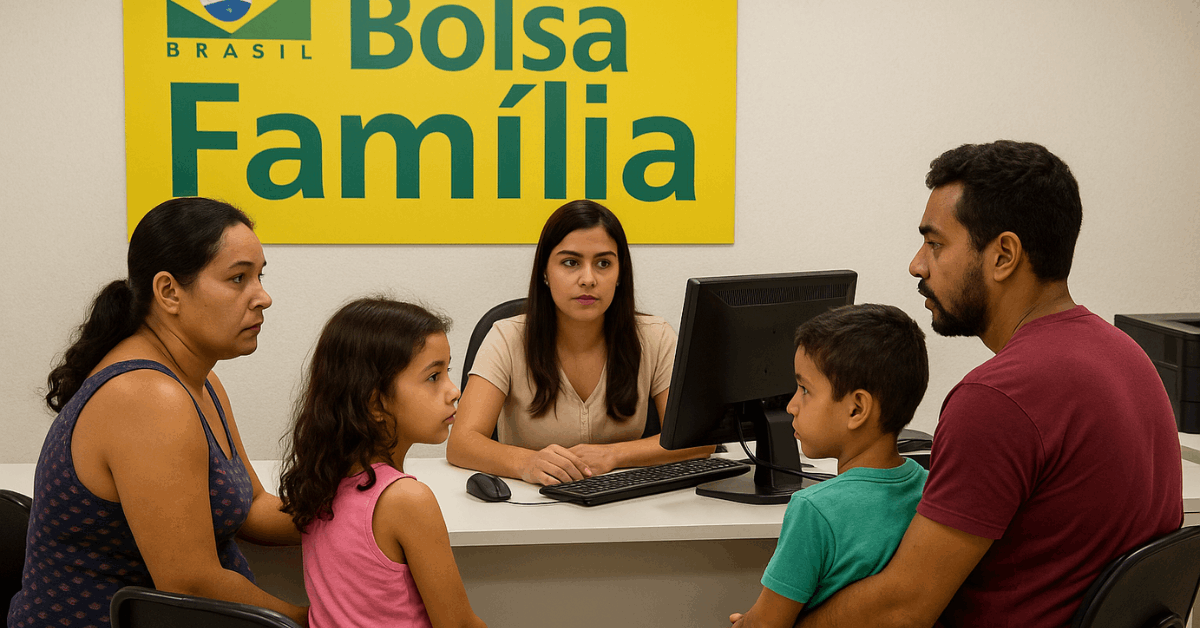
Understanding the Bolsa Família Loan
This section explains the basics of the Bolsa Família Loan. It helps readers understand what it is and who can access it.
What is the Bolsa Família Loan?
The Bolsa Família Loan is a type of microcredit linked directly to the federal social assistance program.
It allows beneficiaries to borrow small amounts of money through authorized banks.
The repayment is deducted automatically from the monthly benefit. This design makes the loan accessible for families with limited financial options.
Who is Eligible?
Eligibility for the loan is restricted to families officially registered in the Cadastro Único (CadÚnico). The household must actively receive Bolsa Família benefits.
Women listed as heads of households are often prioritized during approval. Applicants must also have no unresolved debts with financial institutions to qualify.
How the Loan Works
Readers need to know the mechanics of the loan. This part shows how the loan is linked to government benefits.
Loan Amount and Limits
Loan amounts vary according to each family’s registered income and bank evaluation. In most cases, the approved value is modest to prevent excessive indebtedness.
The minimum amounts start small, while the maximum can reach higher levels depending on the household.
These values ensure that repayment remains possible without fully reducing family support.
Repayment Method
Repayments are made automatically through deductions from the Bolsa Família benefit. This reduces the risk of missed payments and makes the process straightforward.
Families receive the reduced benefit after the deduction. The repayment period and number of installments depend on the agreement with the chosen bank.
Interest Rates
Interest rates applied to these loans are lower than informal lending options. Caixa Econômica Federal and Banco do Brasil often set regulated percentages.
Rates are structured to be more affordable than payday loans or private financing. However, borrowers must always check the exact percentage before signing the contract.
Requirements for Application
Applying for this loan requires specific documents and conditions. This section clarifies what readers must prepare.
Documents Needed
Applying for the Bolsa Família Loan requires presenting certain official papers. These documents confirm identity and family registration for eligibility.
- CPF (Cadastro de Pessoa Física) – This is the taxpayer registry that proves your identification with federal records. It is mandatory for opening and processing the loan request.
- Valid ID (RG or CNH) – Either the national identity card or driver’s license is required to confirm your identity. Banks use it to cross-check personal details in the system.
- Proof of Bolsa Família Registration – A recent document that shows your active participation in the program. It ensures that the applicant is still receiving the benefit.
- Updated CadÚnico Record – Information must be accurate and current in the government’s database. Outdated data can cause rejection or delays in approval.
- Proof of Residence – A recent bill or document showing your household address. This helps the bank verify that the applicant’s information matches official records.
Conditions to Qualify
Beneficiaries must be receiving Bolsa Família regularly to qualify for the loan. Families with outdated CadÚnico information will need to update their data first.
Another requirement is having no outstanding debts registered in the credit system. Meeting these conditions increases the likelihood of quick approval.
Step-By-Step Application Process
This section provides a practical guide for applicants. The steps help avoid mistakes and delays.
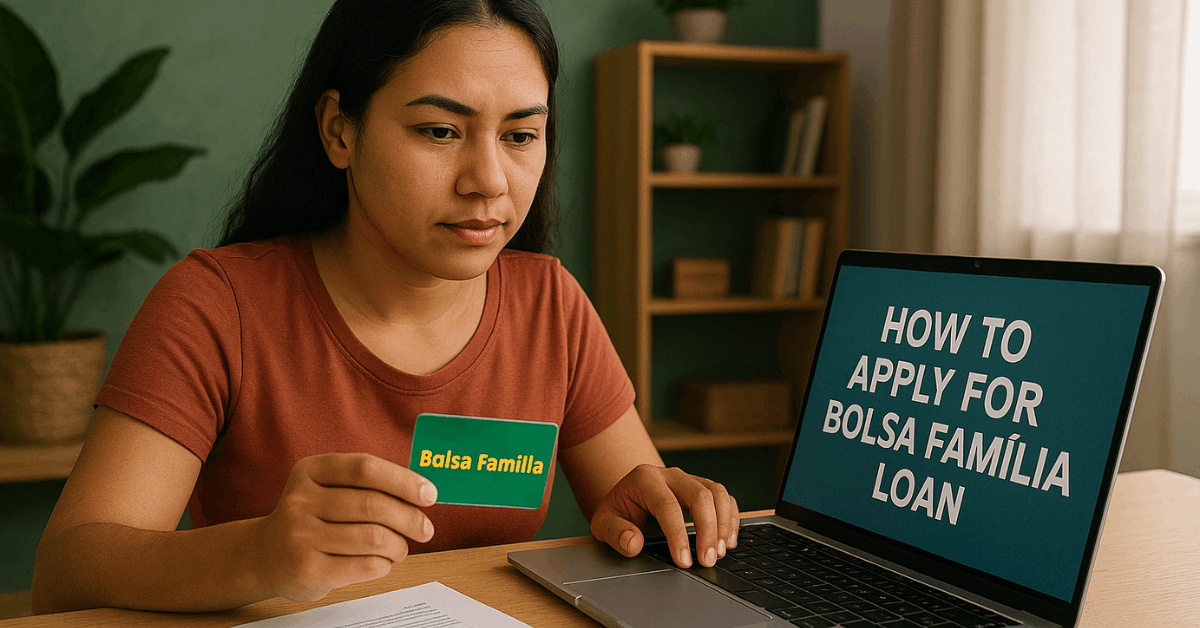
Step 1: Verify Eligibility
Applicants should first confirm that their Bolsa Família status is active and updated. This can be checked through the CadÚnico system or at a CRAS center.
Confirming eligibility prevents unnecessary rejection. Families should ensure that all personal information is current.
Step 2: Gather Documents
Collecting all required documents is the next step in the process. Valid identification, proof of residence, and Bolsa Família information are crucial.
Without these, banks cannot proceed with the application. Preparing them early ensures faster service.
Step 3: Contact an Authorized Bank
Caixa Econômica Federal is the main channel for processing these loans. Banco do Brasil and some community banks may also offer similar services.
Applicants must visit a branch or use official digital platforms. Consulting with staff helps clarify loan terms before signing.
Step 4: Fill Out the Application
Applicants need to complete the official loan request form. The form includes personal details, family information, and loan value requested.
All information must match the data in CadÚnico. Errors can lead to delays or denial of the request.
Step 5: Wait for Loan Approval
Banks review applications based on credit history and family data. The approval process can take a few days depending on demand.
Families receive notification once the review is complete. If approved, the contract moves forward to disbursement.
Step 6: Receive Loan Amount in Account
Approved funds are deposited directly into the beneficiary’s account. Families can withdraw the money through ATMs, agencies, or official apps.
The repayment schedule begins immediately with the next benefit cycle. This ensures repayment is consistent and transparent.
Where to Apply?
The Bolsa Família Loan can only be processed through specific institutions. Here are the main options.
Caixa Econômica Federal
Caixa is the official bank responsible for most social program payments in Brazil. It has branches across the country and digital services through its application.
Beneficiaries can apply online or in person. Assistance is available to clarify requirements before proceeding.
Other Participating Banks
Banco do Brasil also provides access to the Bolsa Família Loan in selected regions. Community banks and microcredit agencies may offer related options.
Availability depends on partnerships with the federal program. Applicants should confirm participation before attempting to apply.
Benefits of the Bolsa Família Loan
Knowing the benefits helps families decide wisely. This section highlights practical advantages.
Financial Support in Emergencies
The loan provides quick access to money during urgent family needs. It can cover expenses such as food, medicine, or education.
Families avoid relying on informal lenders with higher interest. This makes the program an alternative for emergencies.
Access to Formal Credit
Low-income families often face challenges obtaining formal loans. The Bolsa Família Loan opens a pathway to the banking system.
It allows families to build a financial history that can be useful in the future. Over time, this creates more opportunities.
Lower Interest Compared to Informal Loans
Informal lenders charge high interest rates that trap families in debt. The Bolsa Família Loan, offered by banks, has regulated conditions.
This ensures that repayment is less burdensome for beneficiaries. Families can borrow with greater security and transparency.
Risks and Limitations
Loans bring responsibilities. Families must consider possible risks before applying.
Reduction of Monthly Benefit
Loan repayments reduce the amount of Bolsa Família received each month. Families must plan how to manage the lower benefit.
Failure to calculate this reduction may lead to financial difficulties. Careful budgeting is essential before signing.
Risk of Over-Indebtedness
Even small loans can accumulate if families borrow repeatedly. Over-indebtedness can limit future access to credit.
It can also place families under financial stress. Responsible borrowing is key to avoiding these problems.
Limited Loan Values
Loan amounts are not very high compared to other financial products. They may not cover large expenses like housing or business projects.
Families should consider whether the offered amount meets their real needs. If not, alternatives might be more suitable.
Alternatives to the Bolsa Família Loan
Not every family should rely only on this loan. There are other support options available.
Other Government Programs
Some families may benefit from complementary programs like Auxílio Brasil. Pronampe offers loans specifically for small entrepreneurs.
These options provide different forms of support. Families should research which program fits their needs.
Community Credit Options
Local cooperatives and solidarity funds are alternatives for small-scale financing. These groups often lend money with minimal bureaucracy.
Repayment terms can be more flexible than bank loans. Participation usually depends on community membership.
Practical Tips Before Applying
Careful preparation can prevent financial problems. These tips will help readers make informed choices.
Evaluate Household Budget
Families should analyze how much money remains after covering monthly needs. This helps determine if a reduced benefit will still sustain them.
Budgeting ensures repayment will not compromise food or housing. Awareness of financial limits reduces risk.
Compare Loan Options
Applicants should compare interest rates and terms across banks. Even regulated programs may differ in conditions.
Comparing helps families secure the most affordable contract. This reduces the overall burden of repayment.
Seek Financial Guidance
Families can benefit from advice offered by CRAS centers or financial educators. Guidance ensures understanding of terms before signing.
It also helps families explore alternatives if the loan is unsuitable. This support strengthens decision-making and avoids mistakes.
Final Thoughts: Should You Apply for the Bolsa Família Loan?
Understanding the Bolsa Família Loan requires careful evaluation of eligibility, requirements, and risks. The loan can provide important financial support for emergencies and small expenses.
However, families must remain cautious about reduced benefits and over-indebtedness. Always confirm details with official banks before making a decision.